
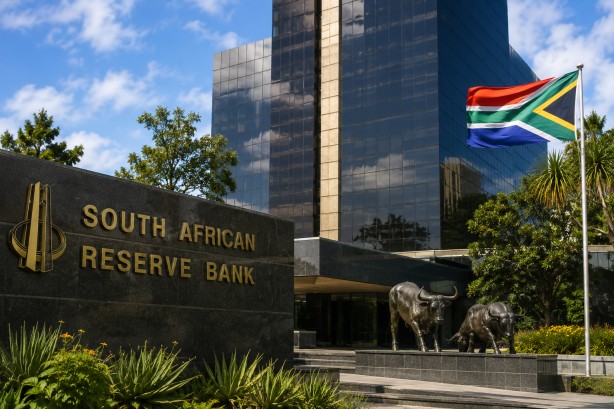
As South Africa’s central bank prepares for its upcoming decision on the repo rate, the focus remains on controlling inflation over stimulating economic growth. This was highlighted by Annabel Bishop, the Chief Economist at Investec, who emphasized that the South African Reserve Bank prioritizes price stability when setting interest rates. The bank’s strategy involves using inflation forecasts for the next six to twelve months as a guide, with the goal of achieving an inflation target of 3% by 2026.
Bishop explained that higher interest rates play a crucial role in curbing inflation through several mechanisms. By making borrowing more expensive and encouraging savings, these rates help to decrease consumer demand. Additionally, a stronger rand resulting from increased interest rates can lower the cost of imported goods, further aiding in inflation control. Although this approach may lead to financial strain for consumers in the short term, it is deemed necessary for long-term price stability.
The central bank’s commitment to inflation management is expected to bring about more favorable economic conditions in the coming years. Bishop noted that by 2027, the financial environment could improve, driven by lower inflation and the potential for interest rate reductions. This outlook suggests that the current monetary policy might eventually ease, providing relief to consumers and possibly spurring economic growth.
While the immediate focus is on maintaining inflation at manageable levels, the implications of this policy extend beyond the present. By laying the groundwork for future economic stability, the Reserve Bank’s strategy aims to balance short-term sacrifices with long-term gains. The potential for future interest rate cuts offers a glimmer of hope for consumers, who may benefit from a more dynamic and resilient economy once inflationary pressures are under control.
Overall, the South African Reserve Bank’s approach underscores its dedication to ensuring price stability through carefully calibrated interest rate decisions. This focus not only addresses immediate inflation concerns but also sets the stage for more sustainable economic growth in the future, aligning with the bank’s long-term objectives.