
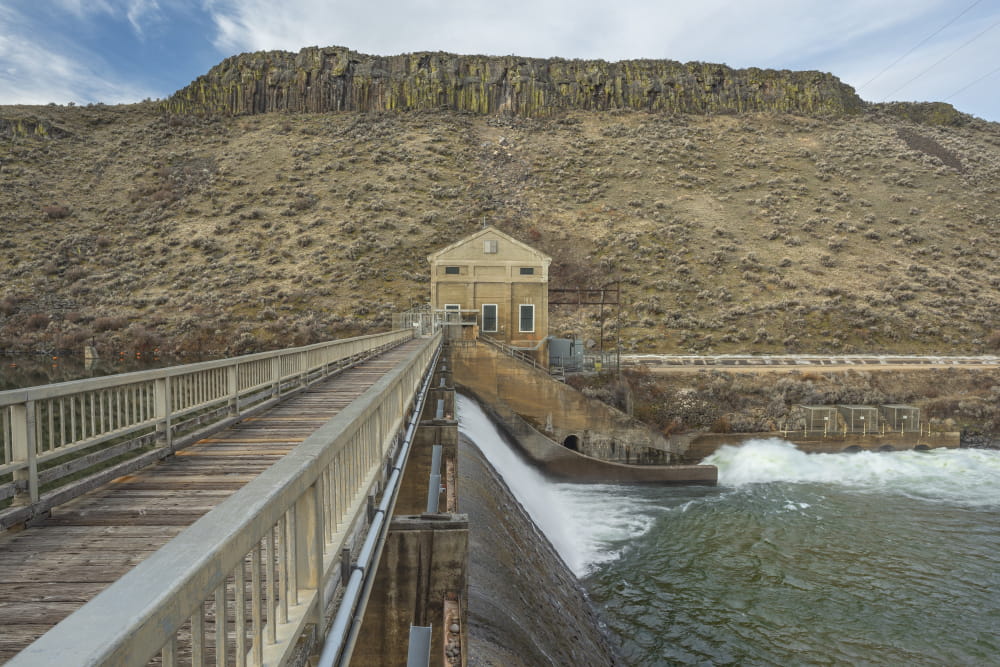
In a significant development for Cape Town, recent cold fronts have led to a dramatic boost in the region’s water reserves, with dam levels experiencing a notable rise. The Western Cape was hit by intense weather conditions earlier this week, which have effectively eased fears of water shortages. Previously, there was growing concern among officials regarding the lower dam levels when compared to the previous year. However, the recent rainfall has shifted this narrative towards a more optimistic outlook.
As of Wednesday, Cape Town’s six major dams reported a combined water storage figure of 67.8%, a substantial increase from the 48.3% recorded just one week prior. These statistics are under constant scrutiny by both the City of Cape Town and the National Department of Water and Sanitation, as they play a critical role in evaluating the city’s water availability. Such data is instrumental in deciding whether to impose water restrictions on residents and businesses, reflecting the importance of maintaining sufficient dam levels to secure a stable water supply for the city, affectionately known as the Mother City.
The significance of these dams extends beyond Cape Town; they are a vital component of the Western Cape Water Supply System. This extensive network includes various dams, pump stations, pipelines, and tunnels that collectively manage the region’s water resources. The system not only meets the needs of Cape Town but also supplies water to towns in the Overberg, Boland, West Coast, and Swartland regions, playing a crucial role in supporting agricultural irrigation needs.
Thanks to the recent increase in dam levels, the region can temporarily put aside some of its previous concerns about water scarcity. Nonetheless, officials remain vigilant, closely monitoring the situation to ensure long-term water security for both urban and agricultural demands. While the heavy rains have provided a welcome respite, ongoing attention to effective water management is essential to sustain the progress achieved.