
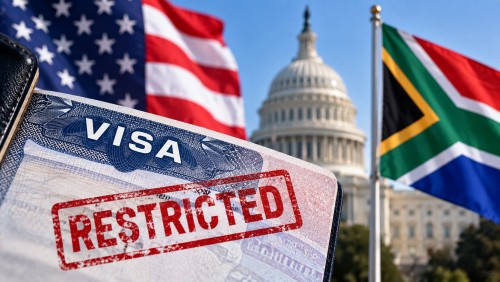
The United States’ decision to impose new visa restrictions on certain foreign nationals linked to South Africa could have significant implications for diplomatic relations between the two countries. These measures target individuals involved in policies that the U.S. believes enable racial discrimination, uncompensated land seizures, or incite violence against minority groups.
U.S. Secretary of State Marco Rubio announced that the visa restrictions aim to address concerns over South Africa’s race-based policies, including the Broad-Based Black Economic Empowerment policies and the Expropriation Act. Washington has expressed that these policies contribute to racial tensions and are at the heart of ongoing disputes between the two nations.
While the restrictions are not a blanket ban on all South African citizens, they represent a significant step in a series of disagreements between Washington and Pretoria. The U.S. has invoked immigration provisions that allow the Secretary of State to deny entry to individuals whose presence might have serious consequences for U.S. foreign policy.
South Africa, however, has rejected allegations that its policies specifically target white citizens. Pretoria insists that its land reform and economic empowerment measures are designed to rectify inequalities rooted in the apartheid era. South African officials have defended these frameworks as essential to addressing historical disparities.
The U.S. State Department has not yet identified specific individuals who will be affected by this policy, but further details are expected to emerge as they determine the scope of the restrictions. This development adds another layer of complexity to the already strained diplomatic relations between the U.S. and South Africa, fueled by differing views on land reform and race-related policies.