
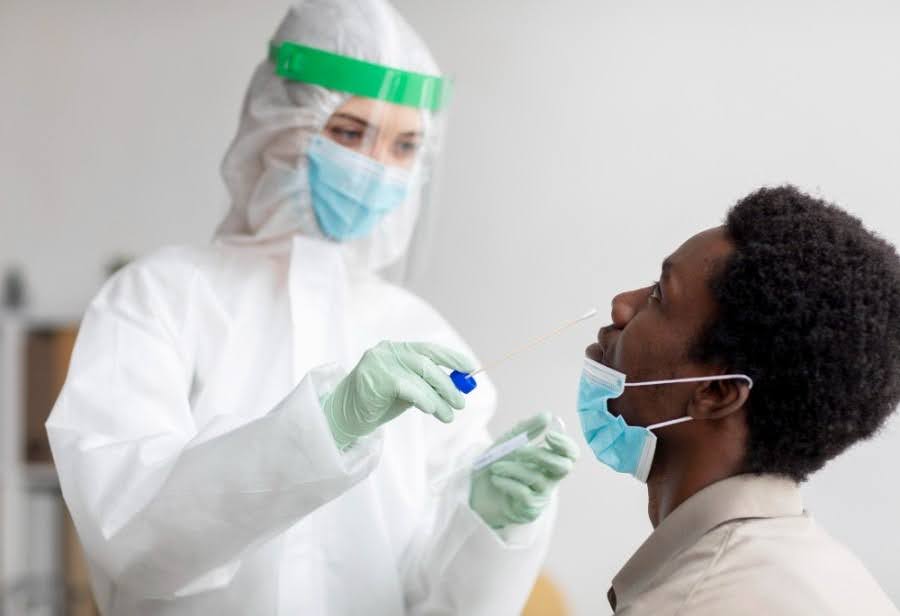
US health officials have projected that the escalating Ebola outbreak in Central Africa could potentially mirror the catastrophic West African epidemic of 2014–2016 unless stronger containment strategies are adopted. Recent modeling indicates the possibility of the outbreak resulting in 10,000 to over 20,000 cases. This prediction hinges on the effectiveness of identifying and isolating infected individuals to halt further transmission. The previous worst Ebola outbreak, which impacted West Africa from 2014 to 2016, led to more than 28,000 infections and claimed over 11,000 lives.
Experts in the health sector urge caution regarding outbreak projections, emphasizing their reliance on the quality of available data and the intensity of response initiatives. Despite the inherent uncertainties of these forecasts, there is a consensus that the current situation demands immediate public health interventions. African health authorities have reported around 400 confirmed cases and 63 fatalities thus far, although there is concern that the real numbers could be higher due to undetected infections.
The outbreak is attributed to the Bundibugyo strain of the Ebola virus, which currently lacks an approved vaccine or specific treatment. Ebola is transmitted through direct contact with bodily fluids and is known for causing severe illness with a high mortality rate. Efforts to curb the disease have faced significant challenges due to ongoing armed conflict, population displacement, and security issues in the affected regions. These complications hinder health workers’ ability to trace infections and deliver necessary treatment.
Health officials underscore the importance of rapid case detection, the isolation of infected individuals, and robust disease surveillance as critical measures to prevent the further spread of the outbreak. The urgency for these interventions is amplified by the volatile conditions in the affected areas, which complicate the implementation of effective response strategies.