
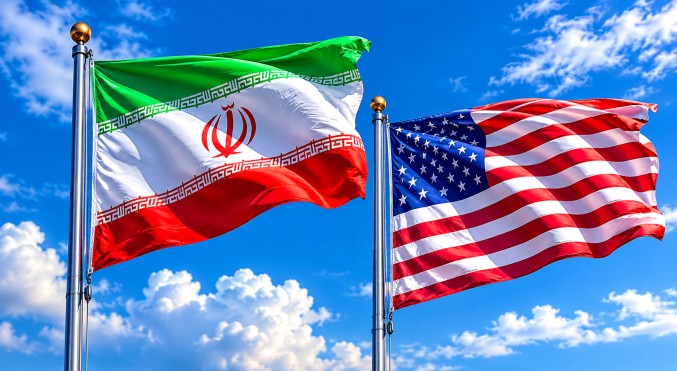
In the complex landscape of Middle Eastern diplomacy, Iran and the United States have made incremental progress in their ongoing negotiations, despite lingering tensions over the possibility of renewed U.S. military action. According to Iranian officials, the differences between the two nations have lessened in recent days, with talks primarily focusing on achieving a broader ceasefire and mitigating regional tensions. Esmail Baghaei, a spokesperson for Iran’s Foreign Ministry, emphasized that the immediate goal of these negotiations is to halt hostilities, with nuclear issues set to be addressed in subsequent discussions.
U.S. Secretary of State Marco Rubio has also noted advancements in the diplomatic dialogue, indicating that efforts are ongoing and further developments may be forthcoming. Washington has consistently maintained a firm stance that Iran should never acquire nuclear weapons, insisting on assurances regarding uranium stockpiles and the reopening of the Strait of Hormuz.
Meanwhile, Iranian parliament speaker Mohammad Bagher Ghalibaf issued a stern warning that any renewal of U.S. military strikes would provoke a stronger response from Iran. Despite recent conflicts and a tentative ceasefire, Ghalibaf asserted that Iran has managed to rebuild portions of its military capabilities.
Pakistan continues to play a mediating role between Tehran and Washington, with the Pakistani army chief recently engaging in discussions with Iran’s top leadership in Tehran. These talks have been described as constructive, with efforts underway to organize another round of direct negotiations.
As these diplomatic efforts unfold, there is growing concern about the stability of the region, global energy supplies, and the potential for further escalation in the Middle East. The focus remains on maintaining regional peace and preventing any further deterioration of the situation.