
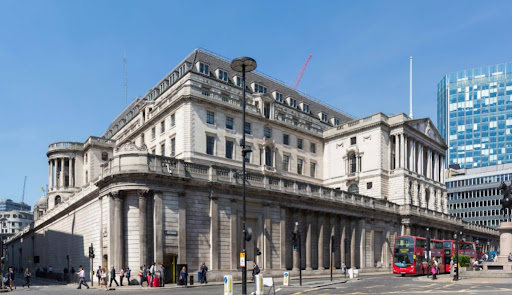
The Iran war’s economic impact has spread from the global financial markets to Britain’s main streets, with the Bank of England voting unanimously to hold rates at 3.75% on Thursday and warning that rising energy prices were already affecting UK consumers and could worsen significantly. The monetary policy committee described the conflict as a significant new shock that was no longer merely a financial market abstraction but a real and concrete economic pressure felt at petrol stations and potentially soon in household energy bills. Officials warned that inflation could exceed 3% and that rate hikes might be needed.
The spread from markets to main street has been rapid. Within weeks of the conflict’s outbreak, global oil prices have risen sufficiently to push UK petrol prices noticeably higher. This transmission from distant geopolitical event to domestic consumer price is the mechanism through which war in the Middle East becomes a financial reality for British drivers filling their tanks. The next stage — the transmission from wholesale gas prices to household energy bills — tends to take longer but is potentially more significant in scale.
Governor Andrew Bailey pointed to the petrol price rise as evidence that the spread had begun. He said the visible change at UK forecourts was the early stage of what could be a more significant energy cost increase for households if the conflict persists. His warning was delivered in practical, accessible language designed to communicate the real economic stakes to a broad public audience.
Financial markets had already completed their own version of the main street transmission, repricing UK interest rate expectations, moving gilt yields, and shifting the pound as the conflict’s economic implications became clear. UK gilt yields rose, the FTSE 100 fell, and the pound strengthened against the dollar as traders made their adjustments.
For UK households and businesses, the spread from markets to main street is a reminder that the UK economy does not operate in isolation from global events. What happens in the Middle East shapes what UK families pay for energy and transport. The Bank of England’s response to that reality, through its interest rate decisions in the months ahead, will determine whether the transmission from market shock to main street hardship is moderated or amplified by monetary policy.